Educational content. This article does not replace consultation with a doctor or pelvic physiotherapist. For persistent symptoms or pre-existing conditions, seek professional guidance before starting any exercise routine.
Most men have heard of "Kegels", but few know that these exercises were adapted and scientifically validated for men, with impressive results for erection, ejaculation and urinary continence.
In this guide, you will understand exactly which muscles are involved, why they matter, and how Ritmo uses these same clinical protocols to guide your daily training in just 5 to 10 minutes.
What male Kegel exercises are, the direct answer
Clinical definition
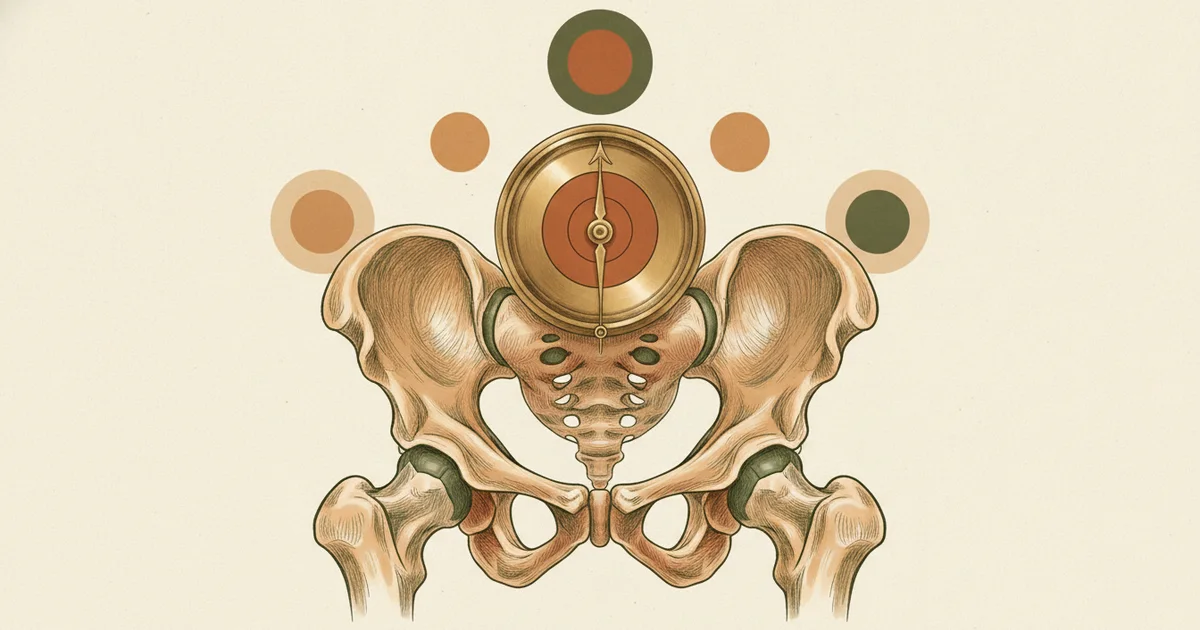
Male Kegel exercises are voluntary contractions and relaxations of the pelvic floor muscles (bulbocavernosus, ischiocavernosus and pubococcygeus). Developed by Dr. Arnold Kegel in the 1940s and adapted for men in the 1990s, they are now the first line of non-pharmacological treatment for mild to moderate erectile dysfunction, premature ejaculation and post-prostatectomy urinary incontinence.
Which muscles male Kegel exercises work
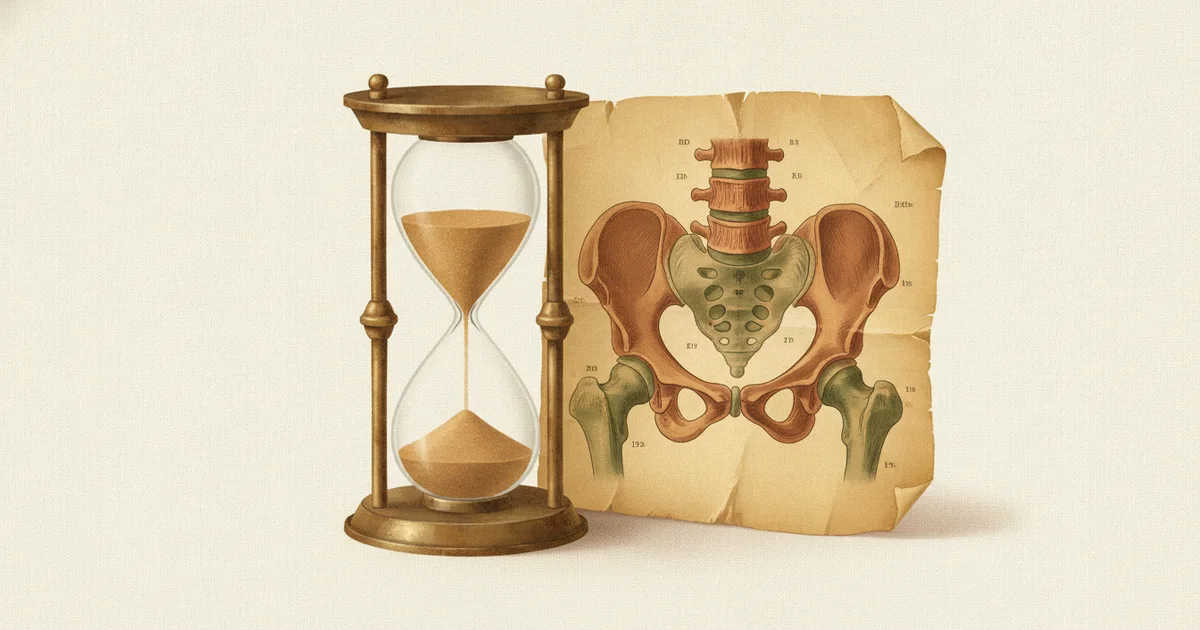
Originally developed by Dr. Arnold Kegel in the 1940s for women with postpartum incontinence, Kegel exercises were later studied in men starting in the 1990s. The principle is simple: voluntarily contracting and relaxing the pelvic floor muscles to strengthen them over time.
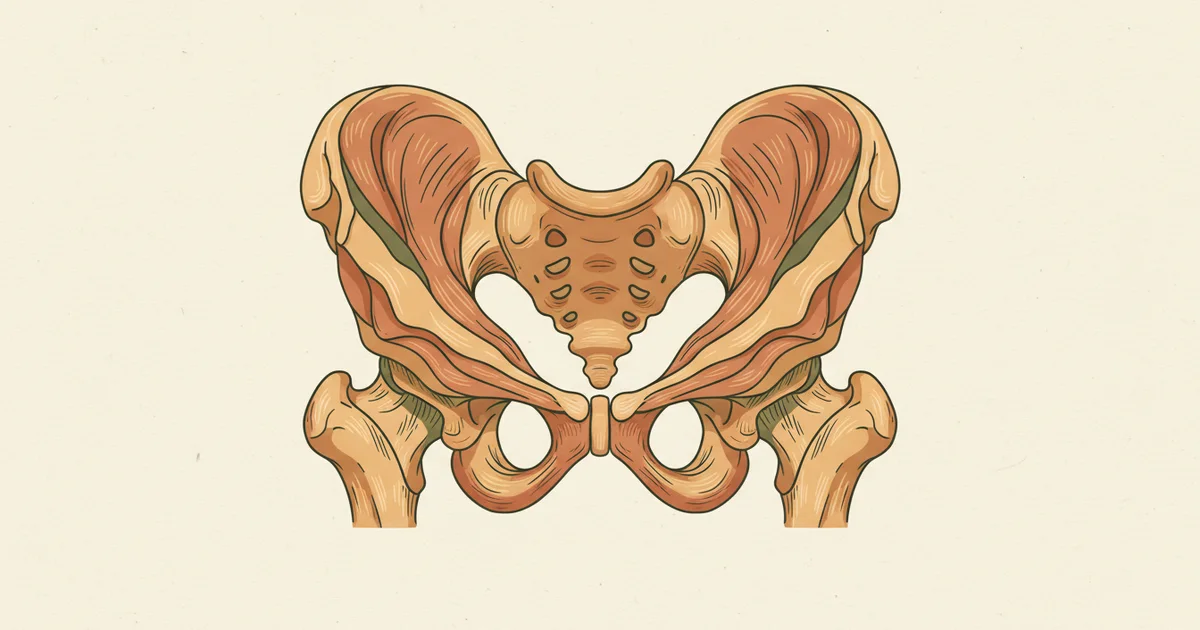
In men, these muscles include the bulbocavernosus (which compresses the base of the penis during erection), the ischiocavernosus (which maintains erectile firmness) and the pubococcygeus (which controls urinary flow and takes part in the ejaculatory reflex). To understand the anatomy in depth, read what the male pelvic floor is .
What the science says about effectiveness
75.5%
of men with erectile dysfunction showed significant improvement after 3 months of pelvic floor exercises, in a randomized clinical trial with 55 participants.
Dorey G, Speakman M, Feneley R, Swinkels A, Dunn C. Pelvic floor exercises for erectile dysfunction. BJU International. 2005; 96(4):595-597. DOI: 10.1111/j.1464-410X.2005.05690.x
82.5%
of men with lifelong premature ejaculation significantly improved their ejaculatory control after 12 weeks of pelvic floor rehabilitation.
Pastore AL, Palleschi G, Fuschi A, et al. Pelvic floor muscle rehabilitation for patients with lifelong premature ejaculation: a novel therapeutic approach. Therapeutic Advances in Urology. 2014; 6(3):83-88. DOI: 10.1177/1756287214523329
The challenge: correct technique and consistency
The numbers are impressive, but there is a problem: in the studies above, participants had professional supervision with in-person sessions and electromyographic biofeedback. In practice, anyone trying to do Kegels alone at home faces two obstacles:
- Contracting the wrong muscle. Electromyography studies showed that most men activate their glutes, abdomen or thighs in the first few days, canceling out the benefit of the exercise.
- Quitting before results show. Without feedback or clear progression, up to 50% of people give up before completing 8 weeks, exactly when results start to appear.
Electromyography studies showed that many men activate accessory muscles in the first few days, but with practice and proper feedback, they manage to isolate the pelvic contraction within 2 to 3 weeks. Stafford RE, Ashton-Miller JA, Constantinou CE, Hodges PW. Pattern of activation of pelvic floor muscles in men differs with verbal instructions. Neurourology and Urodynamics. 2016; 35(4):457-463.
That is exactly why we created Ritmo : to solve these two problems with guided workouts that teach the correct technique and keep your progression going week after week.
How Ritmo applies the science in practice
Guided muscle identification
The first step, and the most critical one, is finding the right muscle. Ritmo starts with progressive activation exercises that teach you to isolate the pelvic contraction without recruiting your glutes or abdomen. Each session includes specific instructions on position, breathing and focus.
A useful reference: if you briefly try to stop the flow of urine, the muscles you use are the pelvic floor muscles. Use this test only for identification, never as a regular exercise.
Sustained contractions (slow fibers)
Ritmo guides 5 to 10 second contractions with equivalent rest times, exactly the protocol used in the studies by Dorey et al. Type I (slow) muscle fibers are responsible for sustaining the erection and for day-to-day continence. See how this applies in erectile dysfunction: exercises the science proves .
Quick contractions (fast fibers)
One-second contractions with immediate relaxation train type II fibers, recruited during ejaculation and in moments of intense arousal. Ritmo automatically alternates between the two types of exercise to train the pelvic floor completely. Learn more in premature ejaculation: causes and natural treatment .
Reverse Kegels (active relaxation)
Less known, but equally important: the reverse Kegel consists of gently relaxing and "pushing down" the muscles. This technique is especially relevant for men with pelvic hypertonicity, a chronic tension that can contribute to premature ejaculation and pelvic pain. Ritmo includes relaxation exercises in its advanced protocols.
Progression: the key most people overlook
Just as you would not lift the same weight at the gym for 12 weeks, the pelvic floor needs progressive overload to keep adapting. Ritmo automatically adjusts:
- Hold time: from 3s in the first sessions up to 10s+ in the advanced weeks.
- Volume: sets and repetitions increase gradually according to your capacity.
- Complexity: combined exercises, position variations and integration with breathing are introduced over the weeks.
5 to 10 min/day
is the average session length in the clinical protocols that demonstrated effectiveness. There is no need to train for 30 minutes, consistency beats volume. Ritmo's sessions follow this same range.
Dorey G. Pelvic Dysfunction in Men: Diagnosis and Treatment of Male Incontinence and Erectile Dysfunction. Chichester: Wiley; 2006.
Common mistakes Ritmo helps you avoid
- Holding your breath: the app instructs you to keep your breathing natural during each contraction. If you are holding your breath, you are probably recruiting your abdomen, not your pelvic floor.
- Contracting glutes or thighs: the guided instructions focus on keeping the effort internal and subtle, only in the perineal region.
- Overtraining: Ritmo automatically schedules rest days, because the pelvic floor needs to recover in order to grow.
- Expecting immediate results: the app shows your progress over the weeks, helping you stay motivated during the neural adaptation period (weeks 1 to 4) before the functional gains. See how long it takes to see results with pelvic exercises .
When to seek professional guidance
Kegel exercises are safe for most men, but there are situations in which guidance from a pelvic physical therapist is recommended:
- Persistent pain in the pelvic, perineal or rectal region.
- Difficulty identifying the correct contraction after 2 to 3 weeks.
- A history of prostate surgery (prostatectomy); in these cases, supervised training with biofeedback can complement the use of Ritmo.
- Symptoms of pelvic hypertonicity (pain when sitting, frequent urinary urgency).
Frequently asked questions
What are male Kegel exercises?
Male Kegel exercises are voluntary contractions and relaxations of the pelvic floor muscles, mainly the bulbocavernosus, the ischiocavernosus and the pubococcygeus. Originally developed by Dr. Arnold Kegel for women, they were adapted for men starting in the 1990s to treat erectile dysfunction, premature ejaculation and urinary incontinence.
How do you do male Kegels correctly?
Identify the right muscle: it is the same one you would use to stop the flow of urine. Sitting, standing or lying down, contract that muscle for 3 to 5 seconds without activating your glutes, abdomen or thighs. Relax for the same amount of time. Repeat 10 to 15 times, 3 sets per day. Keep your breathing natural. Progression involves increasing the hold time up to 10 seconds.
How many times a day should you do male Kegels?
The validated clinical protocols (Dorey 2005, Pastore 2014) use 1 to 3 daily sessions of 5 to 10 minutes, ideally 4 to 5 days a week. More than that can cause fatigue and slow your progression. Ritmo automatically schedules rest days according to the phase of your training.
How many days does it take for Kegel exercises to work in men?
The first signs (greater muscle awareness, better control) appear between 21 and 30 days. Significant functional results (erectile firmness, ejaculatory control) appear between 8 and 12 weeks, according to studies by Dorey (2005) and Pastore (2014).
What is the best Kegel exercise for men?
A complete training routine combines three types: sustained contractions (5 to 10 seconds, for slow fibers that maintain the erection), quick contractions (1 second, for fast fibers involved in ejaculation) and reverse Kegels (active relaxation, especially important for those with premature ejaculation linked to hypertonicity). Apps like Ritmo combine all three in a progressive session.
Conclusion
Male Kegel exercises are one of the most studied and effective interventions for problems with erection, ejaculation and continence. But correct technique, gradual progression and consistency are non-negotiable, and it is hard to maintain all of that on your own.
Ritmo was created to be the equivalent of a personal trainer for your pelvic floor: it guides every contraction, adjusts the difficulty and keeps you on the right track for 5 to 10 minutes a day. The same protocols from the clinical studies, now in your pocket.